Adjusting diabetes management for older patients
How should diabetes be managed in older patients? Find out by watching this video from our Diabetes Mellitus Masterclass.

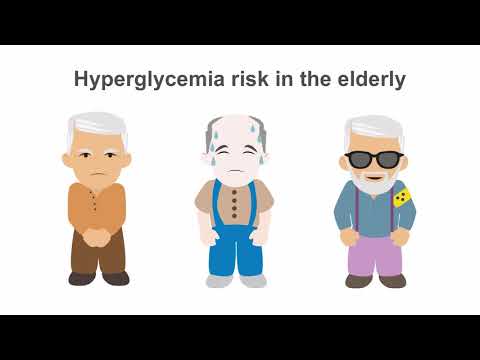
Individualizing glycemic targets for older patients is crucial, particularly given the dangers of getting it wrong! In this video, from our Diabetes Mellitus Masterclass course, we'll review the risks of using certain diabetes medications in older populations, how to balance the risks between hypoglycemia and hyperglycemia, and when using insulin might be appropriate.
Join our Diabetes Mellitus Essentials course today!
Learn how to manage diabetes with confidence! In our Diabetes Mellitus Essentials course, you'll learn how to fine-tune your patient's treatment plans, confidently initiate, adjust, and manage insulin regimes, and screen for diabetic complications with total ease.
Become a great clinician with our video courses and workshops


Transcript
Individualizing A1c targets for older adults
[0:00]
As we discussed earlier in the course, it's important to individualize the glycemic targets for our patients. One group in which we particularly need to consider our goals is with elderly patients. There are a number of factors to keep in mind with elderly patients. First, is the intensity of treatment. While the guidelines recommend A1c target between 6.5% and 7% for most patients with diabetes, a more appropriate goal for older patients may be 7% to 8%. This minimizes the risks of hypoglycemia while preventing symptoms of hyperglycemia.
Why elderly patients face higher hypoglycemia risk
[0:34]
Elderly patients are at higher risk of hypoglycemia for several reasons. Often, elderly patients are on medications such as beta-blockers, which can mask the symptoms of hypoglycemia. They may not notice the typical adrenergic symptoms such as sweating or tremor. Neuroglycopenic symptoms instead, such as dizziness, weakness, or delirium, may predominate a hypoglycemic episode; thus, these episodes can be missed or misinterpreted in elderly patients. The glomerular filtration rate tends to decrease with age, leading to reduced renal clearance, which can potentiate the effect of renally-cleared diabetes medications and increase the risk of hypoglycemia.
Consequences of hypoglycemia and hyperglycemia in older patients
[1:12]
Elderly patients are also at increased risk for morbidity due to hypoglycemia, which can cause falls leading to fractures and can even cause cardiac arrhythmias. However, it's important to avoid hyperglycemia, as this can negatively impact a patient's quality of life with urinary incontinence, dehydration, as well as visual impairment.
Preferred oral diabetes medications for older patients
[1:32]
Older patients are also at higher risk of side effects from their medications. Metformin is a good option for most, as it has minimal side effects. Sulfonylureas may also be a good option, as they too have minimal side effects, but you do need to be cautious of the increased risk of hypoglycemia with the sulfonylureas. DPP-4 inhibitors are one of the best options for oral medications in elderly patients. They have very low rates of side effects, are generally well-tolerated, and have a low risk of hypoglycemia. They're not as effective as some of our other diabetes medications, but as you adjust your A1c target for your older patients, they may be adequate.
Diabetes medications to use with caution in elderly patients
[2:09]
Certain medications should be avoided in elderly patients. While the TZDs are less likely to cause hypoglycemia than other diabetes medications, they do increase the risk of fractures, which can be quite serious in the elderly population, particularly those with underlying osteoporosis or who are at high fall risk. While the GLP-1 receptor agonists may be well tolerated by some, you should use caution regarding the risk of nausea and weight loss with frail elderly patients. Finally, the SGLT-2 inhibitors may increase urinary frequency and genital yeast infections, which can be problematic for older patients, particularly those with mobility issues who may have trouble getting to the bathroom frequently. They may also lower blood pressure to the point that patients suffer orthostasis, increasing their fall risk.
When to consider insulin therapy
[2:55]
If blood glucose control with metformin, DPP-4 inhibitors, and other low-risk medications isn't adequate, you can consider low-dose insulin. In elderly patients, I typically start with basal insulin only, particularly if their food intake is unpredictable. If patients have significant insulin resistance, you can safely add mealtime insulin, although you should be conservative with your dosing.
In general, the goal with elderly patients is to avoid symptoms of hypoglycemia and hyperglycemia, not achieve tight glucose control.